Spa Pumps Explained: Circulation Pumps vs Jet Pumps
Learn what spa pumps do, the difference between circulation pumps and jet pumps, and how pump flow affects heating, filtration, and water clarity.
What a spa pump does
Spa pumps move water through the system. That flow is what makes filtration, heating, sanitation, and jet action possible. Without reliable flow, even perfect chemical dosing will struggle.
Circulation pump vs jet pump
| Pump type | Purpose | What to watch |
|---|---|---|
| Circulation pump | Runs quietly for filtration, heating, and steady water movement. | Low-flow errors, weak heater performance, air locks, clogged filters. |
| Jet pump | Provides high-flow therapy jet pressure. | Noisy bearings, leaks, weak jets, tripped breakers. |
| Two-speed pump | Low speed can filter/heat; high speed powers jets. | Failure on one speed, relay/control issues, overheating. |
Signs of pump trouble
- Humming without water movement
- Grinding, squealing, or rattling sounds
- Water leaking below the pump
- Jets weaker than normal
- Heater shuts off with flow errors
- Breaker trips when pump starts
Maintenance tips
Keep water level high enough, clean filters regularly, avoid running pumps dry, and check slice valves after service. If a spa was drained and refilled, an air lock can prevent proper pump flow until the system is bled or restarted correctly.
How pump flow affects chemistry
Sanitizer and pH adjustments need circulation to mix. Poor flow creates dead spots, cloudy water, and unreliable test results. After adding chemicals, run the spa long enough to distribute them through the full water volume.
If a pump leaks near the motor or trips a breaker, stop using the spa and have it inspected. Water and electricity are not a place to freestyle.
Recommended spa supplies
As an Amazon Associate, Spa Chemical Calculator earns from qualifying purchases.
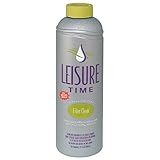
Breaks down oils and residue that rinsing alone leaves inside cartridge pleats.
View on Amazon
A fresh cartridge restores flow when cleaning no longer clears residue or debris.
View on Amazon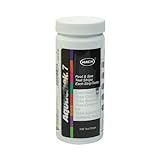
Quick sanitizer, pH, alkalinity, and hardness checks keep small-volume spa water from drifting.
View on Amazon