How to Choose a Spa or Hot Tub
A practical buyer’s guide to choosing the right spa size, shell, insulation, jet layout, electrical setup, and maintenance system before you buy.
Start with how you will actually use it
The best spa is not always the biggest one or the one with the most jets. Start with the number of regular users, whether you want therapy seats, lounge seating, family soaking, or compact evening use. A spa that fits your routine will be easier to keep clean and cheaper to run.
Size, seating, and water volume
More gallons means more comfort for groups, but also more heating cost and chemical demand. Smaller spas are easier to balance and drain, while larger spas handle more bathers with less dramatic chemistry swings.
| Choice | Why it matters |
|---|---|
| 2–3 person spa | Lower water volume, lower energy use, easier maintenance. |
| 4–6 person spa | Better for families and guests, but needs more space and power. |
| Lounge seat | Comfortable for some users, wasted space for others. Sit in one before buying. |
| Open seating | Often better for social use and flexible body sizes. |
Insulation and energy use
Insulation quality and cover quality matter more than fancy lighting. Ask how the cabinet is insulated, how easy panels are to remove, and how replacement covers are sourced. A cheap spa with poor insulation can become expensive every month.
Saltwater, ozone, UV, and mineral systems
These systems can reduce workload, but none eliminate testing or balancing. You still need sanitizer residual, pH control, alkalinity control, filter care, and periodic water changes.
Service access and parts
Before buying, confirm local service availability, warranty terms, heater/pump access, and whether proprietary parts are expensive or hard to source. Maintenance access is boring until something fails — then it matters a lot.
Buyer tip: ask the dealer for filled weight, electrical requirements, filter part numbers, cover replacement cost, and the actual gallons before you commit.
Recommended spa supplies
As an Amazon Associate, Spa Chemical Calculator earns from qualifying purchases.
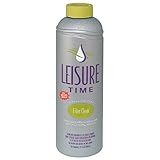
Breaks down oils and residue that rinsing alone leaves inside cartridge pleats.
View on Amazon
A fresh cartridge restores flow when cleaning no longer clears residue or debris.
View on Amazon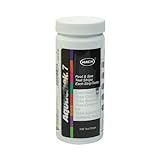
Quick sanitizer, pH, alkalinity, and hardness checks keep small-volume spa water from drifting.
View on Amazon