Spa Equipment Guide: What Every Hot Tub Owner Should Know
Learn the major parts of a spa system, including pumps, filters, heaters, jets, controls, covers, plumbing, and sanitation equipment.
The main equipment systems
A spa is more than a shell full of hot water. It is a small recirculating water system with pumps, filtration, heating, controls, jets, plumbing, and often supplemental sanitation equipment. Understanding the equipment helps you diagnose problems faster and maintain water more consistently.
Pump and circulation
Moves water through filters, heaters, plumbing, and jets. Some spas use a dedicated circulation pump while others use a low-speed jet pump.
Filter system
Captures debris, oils, and fine particles so chemicals can work on dissolved contaminants instead of visible dirt.
Heater
Raises and maintains water temperature. Scale, low flow, and dirty filters can reduce heater performance.
Controls and sensors
Manage temperature, pump cycles, safety limits, and error codes.
Why equipment affects water chemistry
Poor circulation, dirty filters, scale in plumbing, or weak sanitizer generation can make water harder to balance. If chemistry looks correct but water is still cloudy, equipment flow and filtration should be checked.
Common warning signs
- Weak jet pressure
- Flow or heater error codes
- Water heating slowly
- Cloudy water despite normal test readings
- Frequent tripped breakers
- Unusual pump noise or vibration
Electrical and heater work can be dangerous. For wiring, breakers, controls, or leaks inside the cabinet, use a qualified spa technician.
Recommended spa supplies
As an Amazon Associate, Spa Chemical Calculator earns from qualifying purchases.
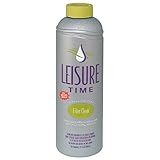
Breaks down oils and residue that rinsing alone leaves inside cartridge pleats.
View on Amazon
A fresh cartridge restores flow when cleaning no longer clears residue or debris.
View on Amazon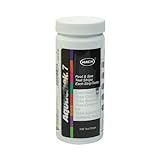
Quick sanitizer, pH, alkalinity, and hardness checks keep small-volume spa water from drifting.
View on Amazon