Spa pH and Alkalinity: How to Balance Them
A practical guide to balancing spa pH and total alkalinity without chasing numbers or overcorrecting your hot tub water.
pH controls comfort and water behavior
pH affects how water feels, how sanitizer performs, and whether the spa tends toward corrosion or scale. Low pH can be harsh and corrosive. High pH can cause cloudy water, scale, and weaker chlorine performance.
Total alkalinity is the pH buffer
Total alkalinity helps resist rapid pH changes. If alkalinity is too low, pH may bounce around. If it is too high, pH may keep drifting upward and become difficult to lower.
Which one should you adjust first?
If total alkalinity is far outside range, correct it first. After alkalinity is closer, adjust pH. If pH is dangerously low or high, correct pH enough to make the water safe, then fine-tune alkalinity.
| Problem | Common symptom | Typical response |
|---|---|---|
| Low pH | Stinging eyes, corrosion risk | Use pH increaser per label |
| High pH | Cloudiness, scale, weak sanitizer | Use pH decreaser per label |
| Low alkalinity | pH swings | Use alkalinity increaser |
| High alkalinity | pH drift upward | Lower carefully with acid/aeration process |
Add chemicals in small steps, circulate, and retest. Overcorrection is one of the most common spa maintenance mistakes.
Recommended spa supplies
As an Amazon Associate, Spa Chemical Calculator earns from qualifying purchases.

Raises total alkalinity so pH is less jumpy after soaking and chemical additions.
View on Amazon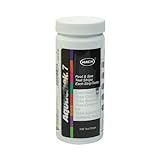
Quick sanitizer, pH, alkalinity, and hardness checks keep small-volume spa water from drifting.
View on Amazon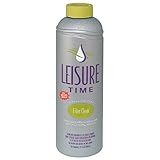
Breaks down oils and residue that rinsing alone leaves inside cartridge pleats.
View on Amazon