Spa Filters Explained: Cleaning, Replacing, and Choosing Cartridges
Learn how spa filters work, how often to rinse and deep clean them, when to replace cartridges, and why filtration matters for hot tub water chemistry.
What spa filters do
Filters remove suspended debris, hair, oils, and fine particles from the water. Chemicals sanitize and oxidize; filters physically capture what should not keep circulating. A neglected filter can make good chemistry look bad.
Rinse, clean, replace
| Task | Typical timing | Why it matters |
|---|---|---|
| Quick rinse | Weekly or after heavy use | Removes loose debris and improves flow. |
| Deep clean | Monthly or as needed | Breaks down oils, lotions, and trapped residue. |
| Replace cartridge | Often every 12–24 months depending on use | Old pleats lose surface area and flow. |
Signs your filter needs attention
- Cloudy water returns quickly
- Weak flow or flow error codes
- Filter pleats stay gray or oily after rinsing
- Cartridge bands are broken
- End caps are cracked
- Water smells stale despite sanitizer
How to clean a cartridge
- Turn off power or put the spa in service mode.
- Remove the cartridge carefully.
- Rinse between pleats from top to bottom.
- Use a filter-cleaning solution for oils and residue.
- Rinse thoroughly before reinstalling.
- Never use household soap, which can cause foaming.
Choosing the right replacement
Match the cartridge by part number, dimensions, end cap style, and square footage. A cartridge that “almost fits” can bypass debris or restrict flow. Keep a spare filter so one can dry fully while the other is in use.
Dirty filters can cause heater errors and cloudy water. If chemistry is right but water still looks bad, clean the filter before adding more chemicals.
Recommended spa supplies
As an Amazon Associate, Spa Chemical Calculator earns from qualifying purchases.
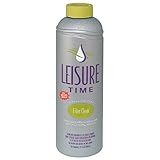
Breaks down oils and residue that rinsing alone leaves inside cartridge pleats.
View on Amazon
A fresh cartridge restores flow when cleaning no longer clears residue or debris.
View on Amazon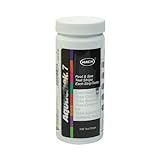
Quick sanitizer, pH, alkalinity, and hardness checks keep small-volume spa water from drifting.
View on Amazon