How to Test Spa Water Correctly
Learn how to test hot tub water with strips or liquid kits, when to test, which readings matter most, and how to avoid bad readings.
Test at the right time
Test before soaking, after heavy use, and after chemicals have circulated long enough to mix. Testing immediately after adding chemicals can give misleading readings.
Test strips vs liquid kits
Test strips are fast and convenient. Liquid kits are usually better for careful pH, alkalinity, calcium, and sanitizer readings. Whichever method you use, store supplies dry, cool, and away from sunlight.
| Test | How often | Why |
|---|---|---|
| Sanitizer | Before use / several times weekly | Confirms water is protected. |
| pH | Several times weekly | Controls comfort and sanitizer performance. |
| Total alkalinity | Weekly | Prevents pH bounce. |
| Calcium hardness | Monthly or after refill | Helps prevent scale/aggressive water. |
| Salt, borates, stabilizer, TDS | As system requires | Supports special sanitizer or balance systems. |
Common testing mistakes
- Using expired strips or reagents.
- Touching strip pads with wet fingers.
- Reading strips too early or too late.
- Testing right where chemicals were added.
- Ignoring water temperature and bather load.
Record your readings
Tracking readings helps you learn your spa’s pattern. If pH rises every week, alkalinity or aeration may be part of the story. If chlorine disappears overnight, bather load or contamination may be high.
Recommended spa supplies
As an Amazon Associate, Spa Chemical Calculator earns from qualifying purchases.
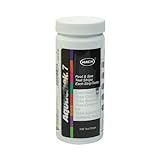
Quick sanitizer, pH, alkalinity, and hardness checks keep small-volume spa water from drifting.
View on Amazon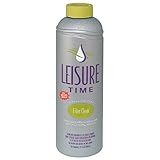
Breaks down oils and residue that rinsing alone leaves inside cartridge pleats.
View on Amazon
A fresh cartridge restores flow when cleaning no longer clears residue or debris.
View on Amazon