Calcium Hardness and Saturation Index for Spas
Learn why calcium hardness and saturation index matter in hot tubs, and how balanced water helps reduce corrosion, scale, and cloudy water.
What calcium hardness does
Calcium hardness measures dissolved calcium in the water. Water that is too soft can be aggressive. Water that is too hard can contribute to scale, especially in heaters and plumbing where temperature is high.
Saturation index is the bigger picture
Saturation index considers pH, alkalinity, calcium hardness, temperature, and dissolved solids together. Two spas with the same calcium hardness can behave differently if pH or temperature is different.
Signs of scaling water
- White flakes or crust around jets
- Cloudy water after heating
- Rough deposits on surfaces
- Reduced heater efficiency
Signs of aggressive water
- Corrosion risk for metal components
- Etching or surface damage over time
- Unstable pH behavior
How to manage calcium
Test fill water before balancing. If calcium is low, use calcium hardness increaser. If calcium is very high, dilution with lower-hardness water is often more practical than trying to chemically remove it.
Recommended spa supplies
As an Amazon Associate, Spa Chemical Calculator earns from qualifying purchases.

Raises calcium hardness when fill water is too soft and foam or corrosion risk increases.
View on Amazon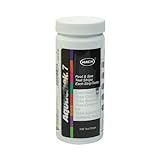
Quick sanitizer, pH, alkalinity, and hardness checks keep small-volume spa water from drifting.
View on Amazon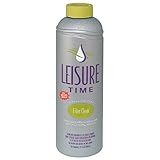
Breaks down oils and residue that rinsing alone leaves inside cartridge pleats.
View on Amazon